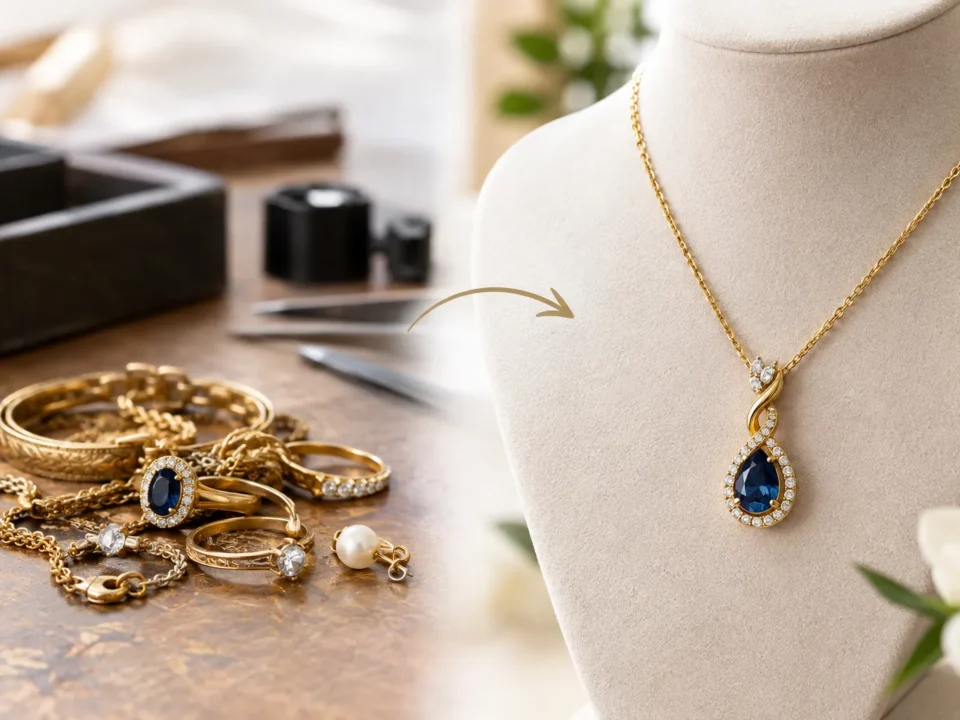
Australians wear and cherish their custom jewellery for many years, often for a lifetime. Despite their best intentions, they cannot avoid inevitable life changes, such as changing finger sizes, snapping chains, and loosening stones. Don’t let these setbacks discourage you.
As a trusted manufacturer of Gold Coast engagement rings, we can adjust or repair your custom jewellery to ensure a comfortable, long-term fit and deliver a strong return on investment. If you’re considering resizing and repairing your custom jewellery, this blog will explain the basics of both strategies, helping you choose the right piece, make informed purchasing decisions, and care for your precious stones.
Key Takeaways
- Why adjustments happen: Finger size changes with weight, age, pregnancy, medication and even Queensland’s humid summers, while daily wear gradually thins rings.
- How resizing works: Most rings can go up or down a size or two by removing or adding metal, then polishing so the join disappears.
- Tricky designs: Eternity, channel-set and tension rings, tungsten or titanium, engraved bands and heat-sensitive stones can complicate resizing.
- Common repairs: Re-tipping claws, securing stones, re-shanking thin bands, and fixing chains, clasps and earrings.
- Protect your investment: Get jewellery checked every six to twelve months, remove rings during risky activities and ask about aftercare.
Why Jewellery Needs Adjusting
Meticulously crafted custom jewellery doesn’t guarantee a seamless fit forever. Our fingers change with weight, age, pregnancy, medication and even the weather. Many people also find that a ring that fits well in winter feels tight during a humid Queensland summer. If you’re one of these individuals, you’re not alone.
Some custom jewellery is also given as a gift, meaning the size is usually an estimate. Additionally, rings worn every day slowly wear down over years of contact with benches, steering wheels and gym equipment. These factors may make you consider a timely jewellery adjustment and enjoy long-term comfort.
How Ring Resizing Works
Resizing is the most common adjustment jewellers make. Australia uses a letter-based ring size system, and most rings can be adjusted up or down by a size or two without major changes. Your Gold Coast jeweller can resize your ring in one of two ways:
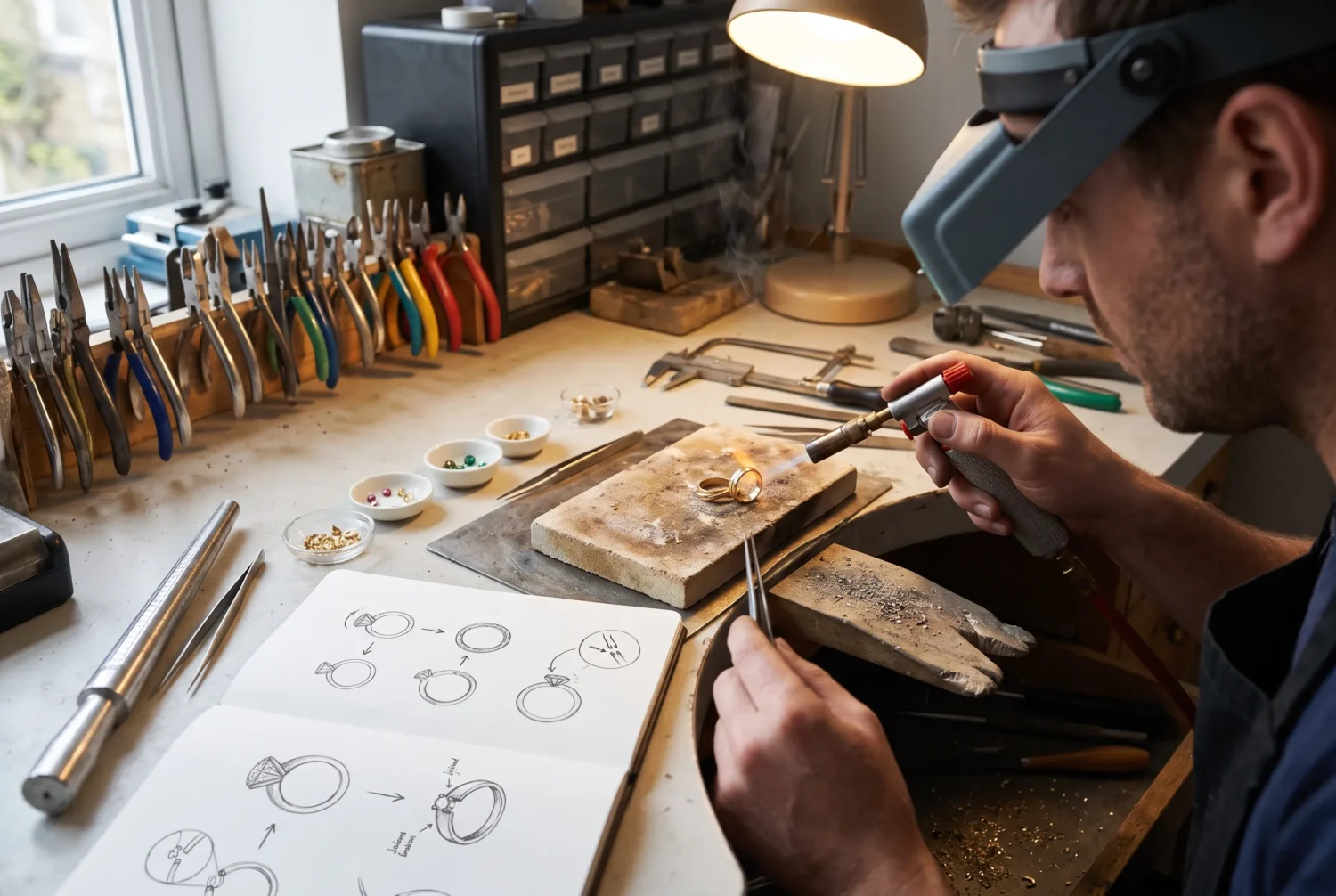
- Making a ring smaller: This technique usually involves cutting a small section from the band, joining the ends, and smoothing the join so it disappears.
- Making a ring larger: In this scenario, your jewellery either carefully stretches the band slightly, or, for bigger changes, cuts the band and adds a small piece of matching metal.
After either process, the ring is shaped, polished and cleaned. White gold rings are often re-plated with rhodium, a bright white coating that gives white gold its crisp finish.
A skilled jeweller will match the metal closely, so the join shouldn’t be visible once he finishes resizing your ring.
What Can Make Resizing Tricky
Not every design is easy to resize. Some styles require meticulous execution, while a few can’t be resized at all. These include:
- Full eternity rings: These rings’ stones run all the way around the band.
- Channel-set designs: These rings’ stones sit in a groove that can warp when the band changes shape.
- Tension settings: These settings hold a stone firmly in place using pressure from the band
- Rings made from tungsten or titanium: These materials are extremely hard and difficult to cut and join
- Bands with detailed patterns or engraving: These intricate patterns or engravings can be compromised near the join.
Some gemstones, including opals, emeralds, pearls, and certain treated stones, can be damaged by heat. A jeweller may need to remove them before working on the band and then reset them afterwards.
If you’re unsure about your size, or you expect it may change, consult a trusted jeweller on the Gold Coast before choosing a design.
Common Jewellery Repairs
Resizing is just one technique that eliminates discomfort and ensures a long-lasting fit. If your custom jewellery gets damaged over time, a specialist can repair it in several ways:
- Re-tipping or replacing claws: The small metal claws holding a stone in place wear thin over time. A jeweller can strengthen them with new metal or replace them entirely. This is one of the most important repairs, because worn claws are a common reason customers lose their precious stones over time.
- Tightening or replacing stones: Loose stones can often be secured before they fall out. If a stone is lost or chipped, a jeweller can source a close match and set it firmly.
- Rebuilding a thin band: Rings worn daily can wear thin underneath, particularly on the palm side. A jeweller can replace the worn section (re-shanking) and restore the band’s structural integrity.
- Chain and clasp repairs: Broken links, weak clasps, and damaged jump rings can usually be repaired quickly.
- Earring repairs: Bent or broken posts, worn backs, and loose settings are all fixable.
- Refinishing. Polishing removes surface scratches. On the other hand, white gold can be re-plated to restore its lustre and allure.
Why Custom Jewellery Can Be Easier to Maintain
When a piece is made for you, the jeweller knows the manufacturing process, the metals used, and how each stone was set. Many also keep design drawings or digital models of the piece for reference purposes, making future resizing and repairs more accurate.
Custom work also gives you the chance to plan for the future. For example, a jeweller can design a band that allows room for resizing or choose a setting that protects stones from daily wear and tear or long-term damage.
Protecting Your Investment
Jewellery is often a significant purchase. According to Easy Weddings’ 2026 Australian Wedding Industry Report, Australians spent an average of $6,842 on an engagement ring, up 14.5% from the previous year. With that much invested, looking after your piece makes sense.
These strategies can help protect your jewellery and deliver peace of mind over time:
- Accurate sizing: Measure your finger accurately at room temperature. Avoid measuring when the room is very hot or cold, which can temporarily affect finger size. Wider bands usually need a slightly larger size.
- Regular jewellery assessments: We recommend having your jewellery inspected every six to twelve months to prevent worn claws or loose stones.
- Occasional ring removal: Gardening, gym sessions, cleaning, and swimming can damage your ring. Remove and store it when you’re doing these activities.
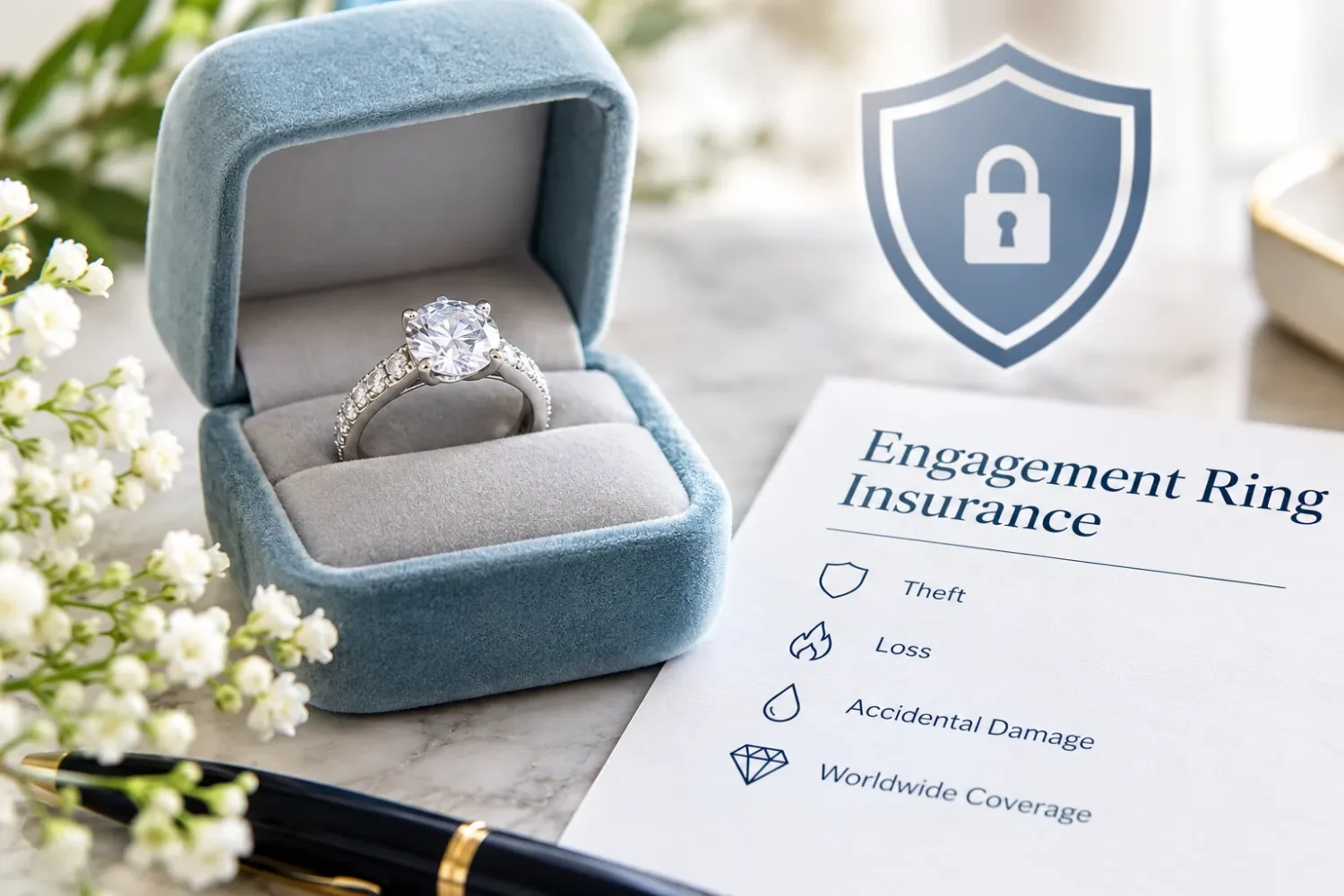
- Jewellery insurance: Check whether your home contents policy offers jewellery insurance.
- Ask about aftercare. Before you buy custom jewellery, determine whether resizing, cleaning or check-ups are included.
What to Ask Before You Buy
When commissioning a custom piece, consider asking the following questions:
- Can this design be resized over time and how much?
- What jewellery aftercare services do you offer?
- How should I clean and store the piece?
- Do you keep a record of the design?
- How long do typical repairs take?
Choosing the Right Jeweller
The skill of the jeweller matters for initial customisation, resizing, and repair. At Finelines Jewellers, we design custom jewellery with the future in mind. We discuss fit, wear, and aftercare from the start so you can adjust and care for your custom piece over time. Book an appointment today to explore our jewellery collection and customise a precious piece that lasts a lifetime.
Frequently Asked Questions (FAQs)
Up to what extent can a ring be resized?
Most rings can be resized up or down by one or two sizes without major changes. Larger adjustments may need extra metal, a new band section, or a redesign, depending on the style and how the stones are set.
Can every ring be resized?
Full eternity bands, some channel-set designs, tension settings and rings made from tungsten or titanium can be difficult or impossible to resize. If you’re unsure about your size, consult your jeweller before choosing a design.
What’s the usual duration for resizing or repairing a ring?
Simple resizing or repairs often take a few days to a week. More intricate work, such as re-tipping claws, replacing stones, or rebuilding a band, may take longer. Your jeweller should give you a timeframe before starting.
Will resizing damage my ring or stones?
A highly experienced jeweller can ensure a comfortable, long-term fit without damaging your ring or stones. Heat-sensitive stones, such as opals, emeralds and pearls, may be removed first, and the ring is polished afterwards. Engraving near the join may be affected, so mention it beforehand.
How often should I have my jewellery checked?
We recommend having your jewellery checked every six to twelve months, especially for rings worn daily. A jeweller can spot worn claws, loose stones or thinning bands early, preventing costly repairs and delivering peace of mind.