Many Australians have at least one piece of jewellery they never wear. Whether it’s an inherited ring, a necklace that has gone out of style, a single earring, or an engagement band from a previous partner, it can become obsolete and forgotten over time. As a reputable designer of elegant, durable Gold Coast engagement rings, we offer solutions that bring old jewellery to life.
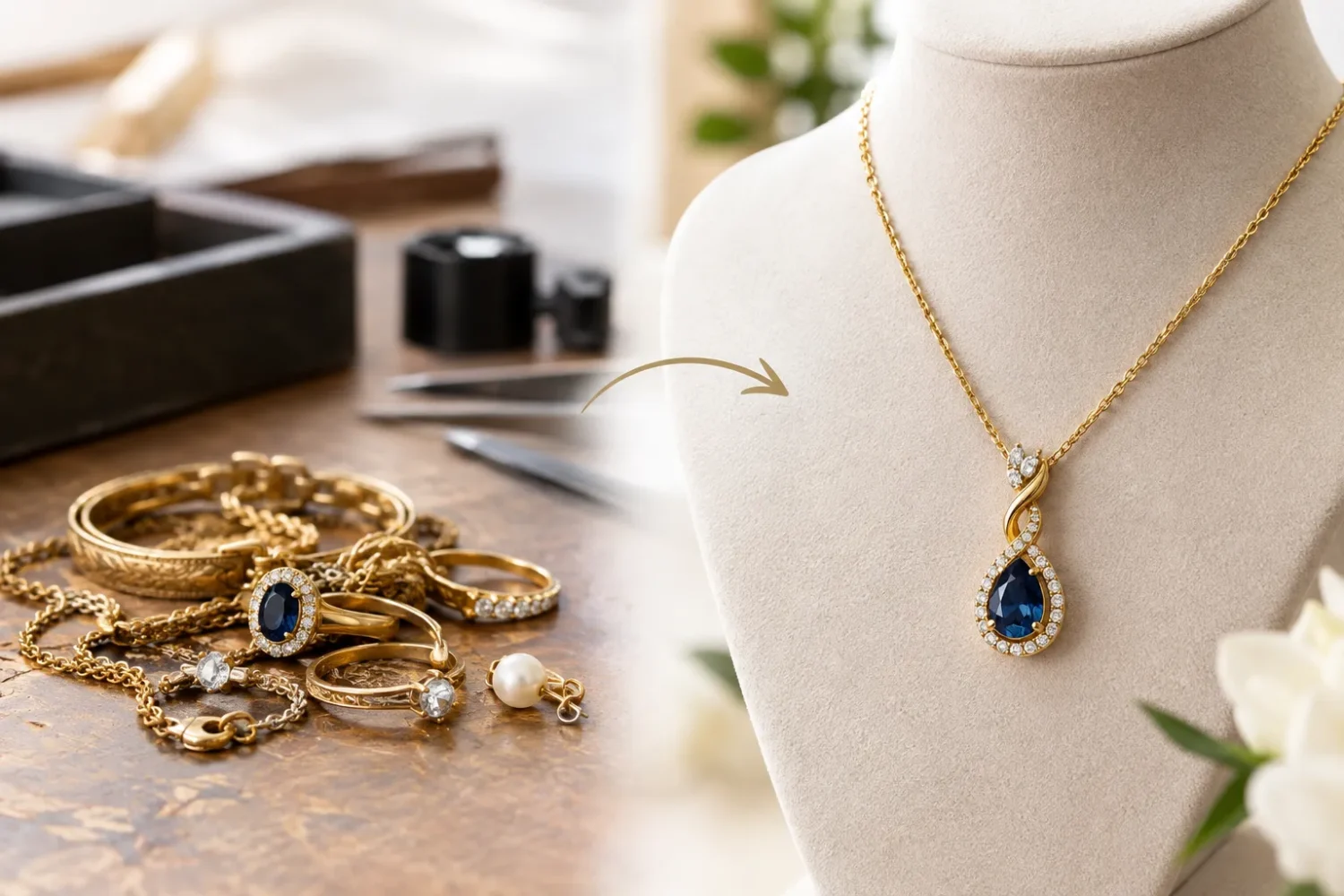
Redesigning is a proven strategy to achieve this objective. By reworking the stones, metal or both, a jeweller can turn something forgotten into a piece you’ll reach for every day, while keeping the history and meaning that made it special in the first place.
Key Takeaways
- Redesigning old jewellery gives sentimental pieces a new life, preserving meaningful memories while creating something more suited to current tastes.
- Existing gemstones and precious metals can often be reused, helping retain the original piece’s value and personal significance.
- Custom designs offer greater personalisation, allowing changes to the setting, style, metal, stone arrangement and overall appearance.
- A jeweller should assess the original piece first, checking gemstone condition, metal quality and whether the materials are suitable for the proposed redesign.
- Careful planning helps balance cost, design and sentiment, ensuring the finished jewellery reflects personal preferences while making practical use of existing materials.
This blog explains the basics of redesigning old jewellery, allowing you to make informed decisions and transform your old pieces into precious keepsakes that reflect your personality and hold lasting sentimental value.
Why People Redesign Their Jewellery
Every jewellery redesign starts with a unique story. Some of the most common reasons include:
- Inherited pieces: These pieces carry sentimental value. However, they don’t align with your preferences.
- Broken or damaged jewellery: You eventually had these pieces redesigned by your rusted jeweller.
- Outdated styles: This refers to jewellery that felt modern years ago but seems outdated today.
- Life changes: These life events include a divorce or remarriage. or the loss of a partner
- Collections of odd pieces: Examples include single earrings and tangled chains whose sentimental value could increase after a redesign.
For many Australians, redesigning is about honouring the past and integrating it with their present.
What Can Be Reused?
Knowing which jewellery can be redesigned allows you to make practical decisions that bring old pieces to life. These include:
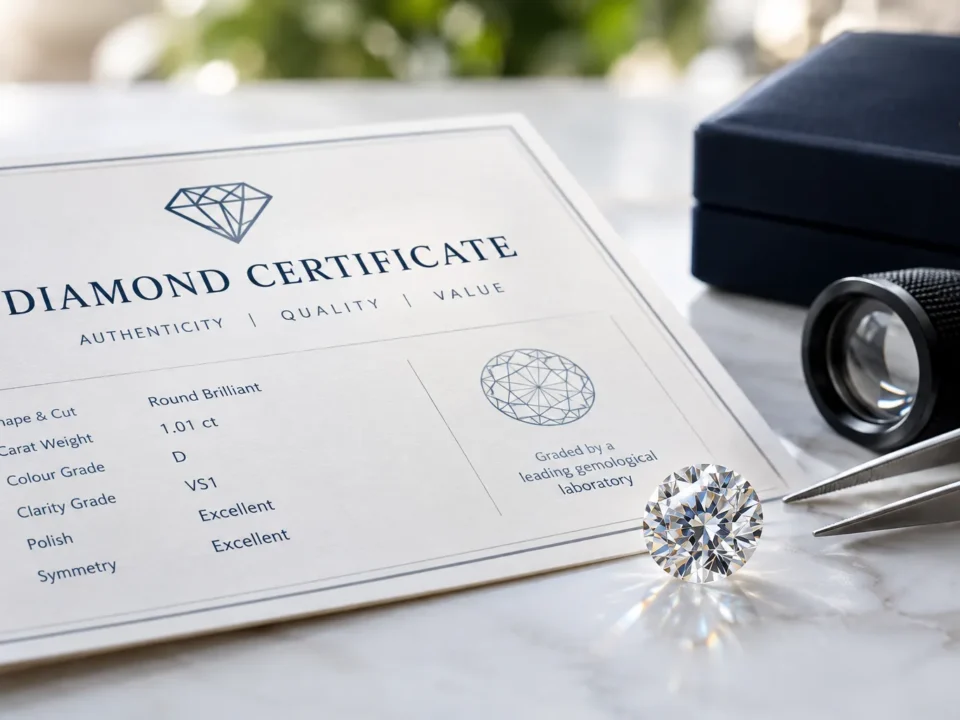
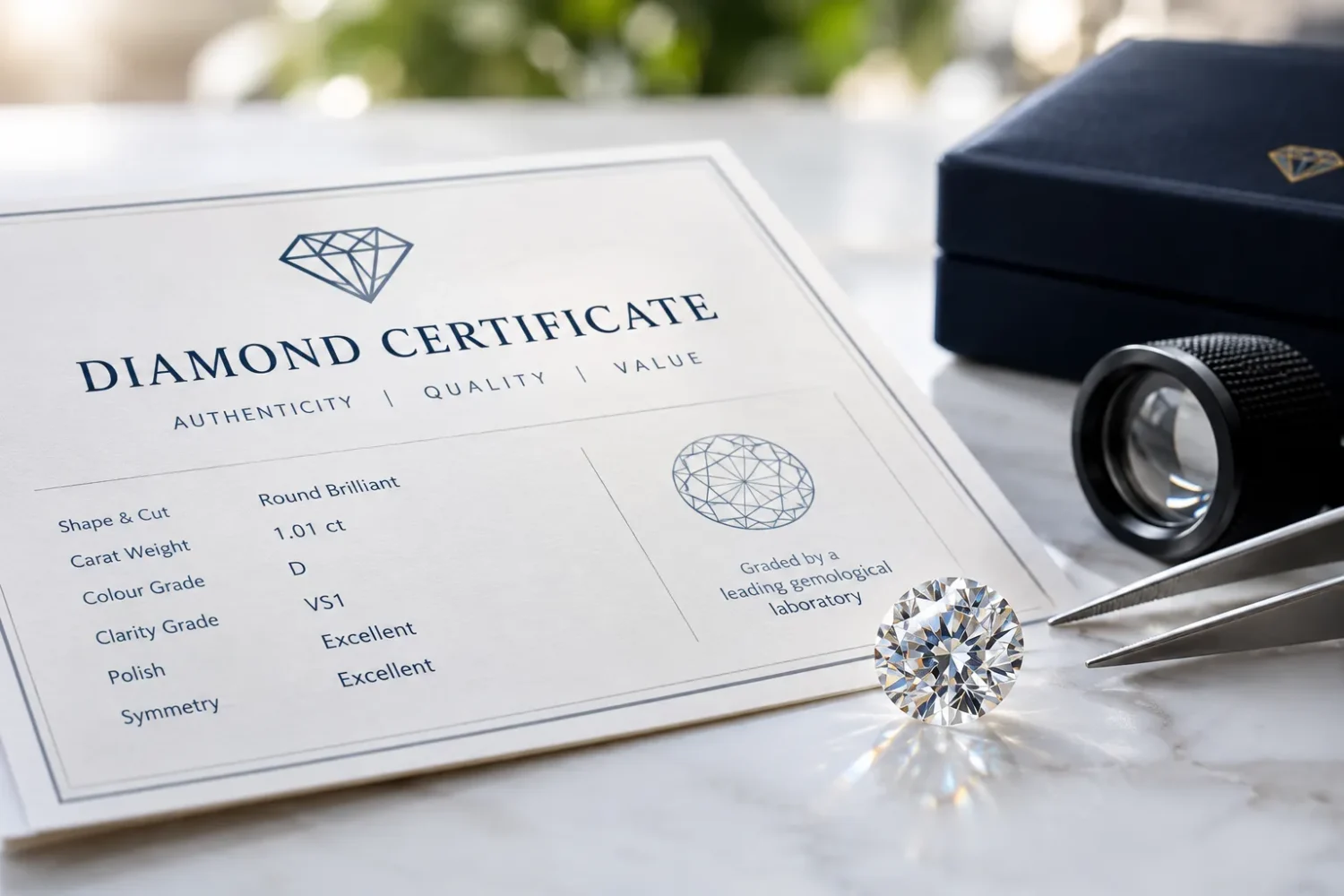
- Gemstones. Diamonds, sapphires, and rubies are very hard. They usually move from one setting to another without issues. Softer or more fragile stones, including opals, emeralds, pearls and some older treated stones, need more care. A jeweller will check each stone for chips, cracks, or wear before recommending how to use it.
- Metal. Gold, platinum, and silver can often be melted down and reshaped. However, old jewellery sometimes contains solder, repairs, or mixed carat weights, which can affect the colour and strength of the finished piece. Your jeweller may suggest refining the metal first, or offering a credit for your old gold towards new metal.
- Intricate details. Sometimes the most meaningful part of a piece isn’t the stone or the metal. An engraving, a section of an original band or a distinctive setting can sometimes be kept and integrated into the new design.
The Redesign Process
Although jewellers have unique redesigning techniques, they follow a similar process:
- Initial consultation: You’ll show your jewellery and discuss its history, what you’d like to create, and how you plan to wear it. Do you want something for everyday wear, special occasions, or as a future inheritance?
- Jewellery assessment: The jeweller checks the metal type and condition, tests the stones, and identifies factors that may limit the design. He will also tell you if you can reuse your jewellery.
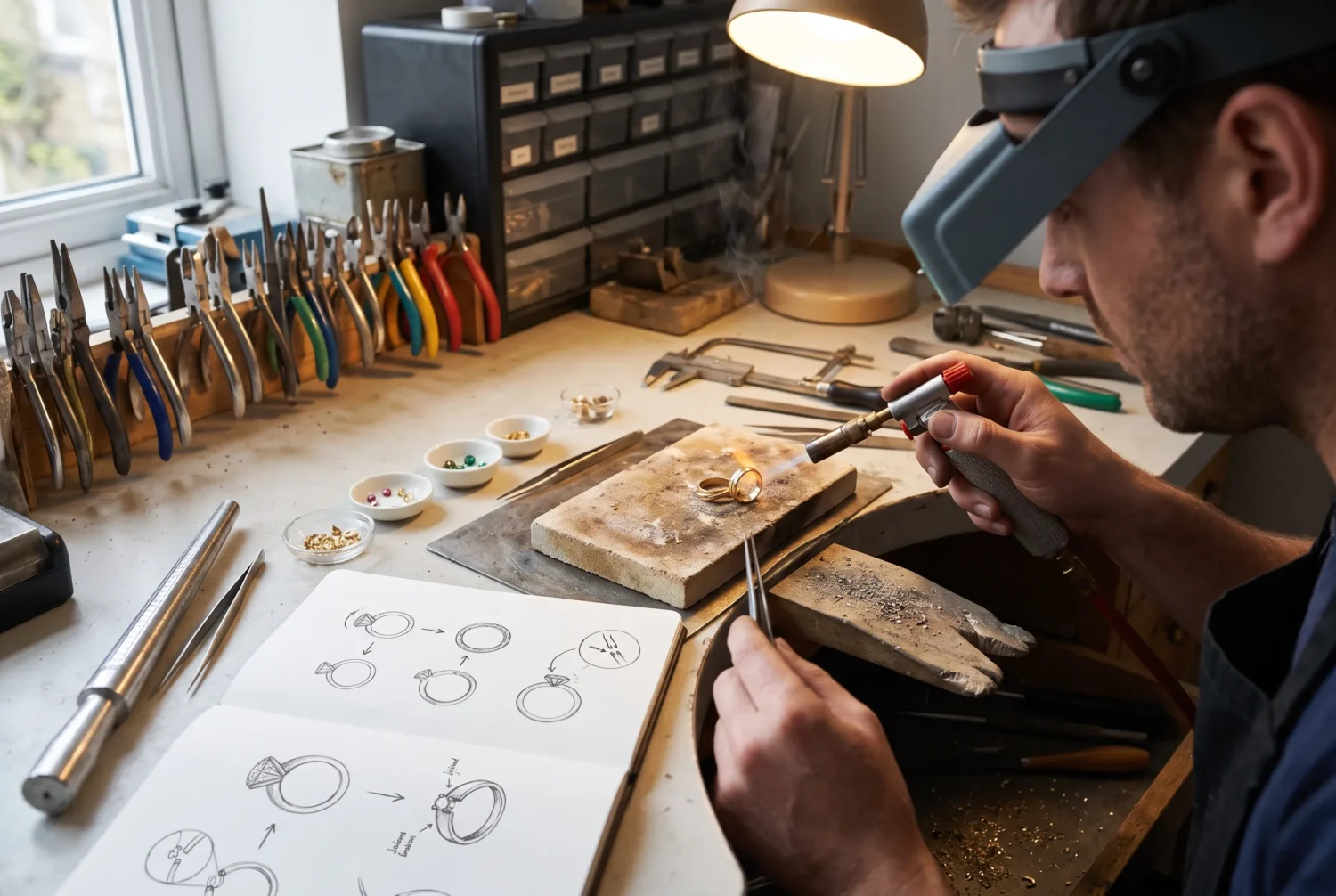
- Design: Many jewellers start with sketches, then move to a detailed digital drawing or 3D model. Some create a wax or resin model so you can see the size and shape before any metal is cast.
- Quotation: Once the design is settled, you should receive a written quote covering labour, new materials, and the timeframe.
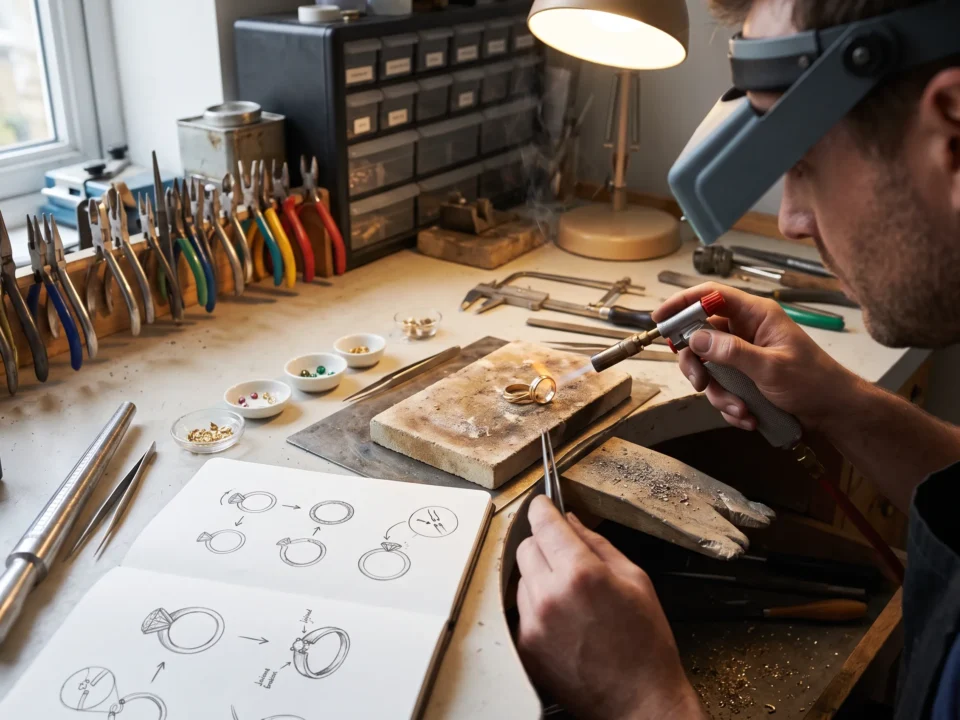
- Actual redesign: The stones are carefully removed, the metal is prepared, and the new piece is made by hand, cast, or a combination of both. The stones are then set and the piece is polished.
- Collection: We recommend checking the fit and finish, asking for upkeep advice, and requesting relevant insurance documents before bringing your newly redesigned piece home.
Ideas for Redesigning
If you’re unsure where to start, these ideas can help bring old, outdated jewellery to life:
- Transforming the diamond from a parent’s engagement ring into a pendant or a pair of stud earrings.
- Combining stones from several family members into one ring.
- Melting down old wedding bands to create a new band with shared history.
- Reworking a large brooch into a necklace or pair of earrings.
- Setting a single inherited stone into a modern ring.
- Creating matching pieces for siblings from one family heirloom.
A More Sustainable Choice
Reusing existing materials also makes environmental sense. The US-based mining watchdog Earthworks estimates that producing the gold for a single 18-carat gold ring generates around 20 tons of mine waste on average. Redesigning puts gold and gemstones that already exist back into use, allowing future generations to use them.
Things to Think About Before You Start
Redesigning old jewellery shouldn’t be done haphazardly. As a trusted jeweller on the Gold Coast, we encourage you to consider these factors:
- Talk to your family: If a piece has been passed down, it can help to share your plans with relatives who may share a connection with it. Some families choose to split stones between siblings or create matching pieces.
- Be realistic about cost: Reusing your own stones can reduce the cost of a new piece, particularly with diamonds. However, much of the price comes from design work and craftsmanship, and your design may need more metal than your old pieces. Obtaining an upfront quote from a trusted jeweller gives you realistic expectations.
- Consider how you’ll wear it: A delicate design may suit occasional wear, while a ring worn every day needs a sturdier setting that protects the stones.
- Allow enough time: Most redesigns take several weeks. If you’re wearing a piece for a birthday, anniversary or wedding, start early for peace of mind.
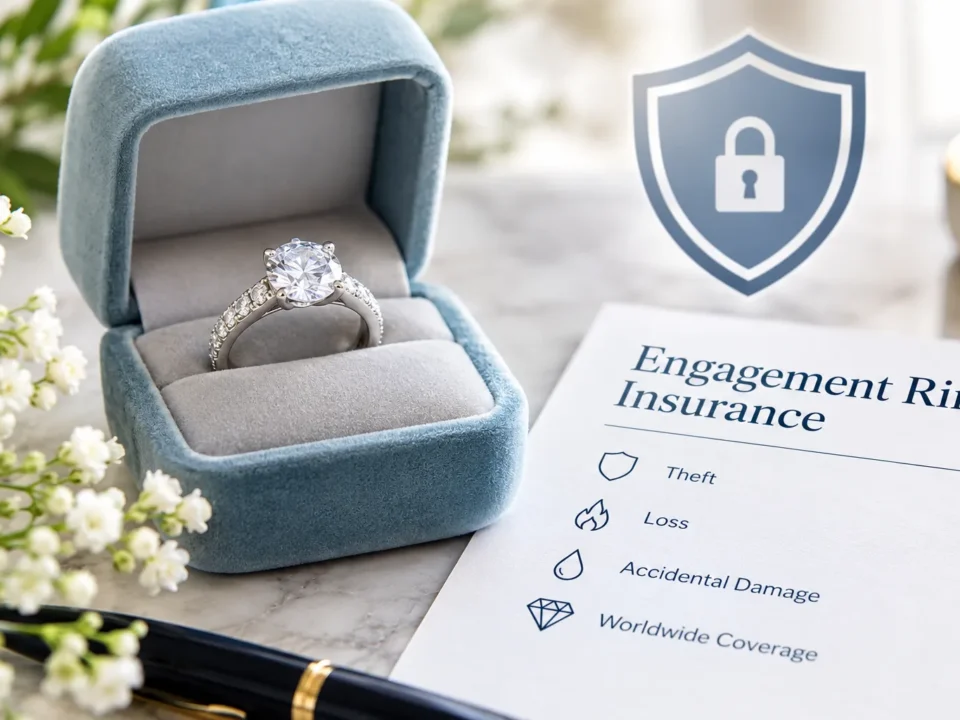
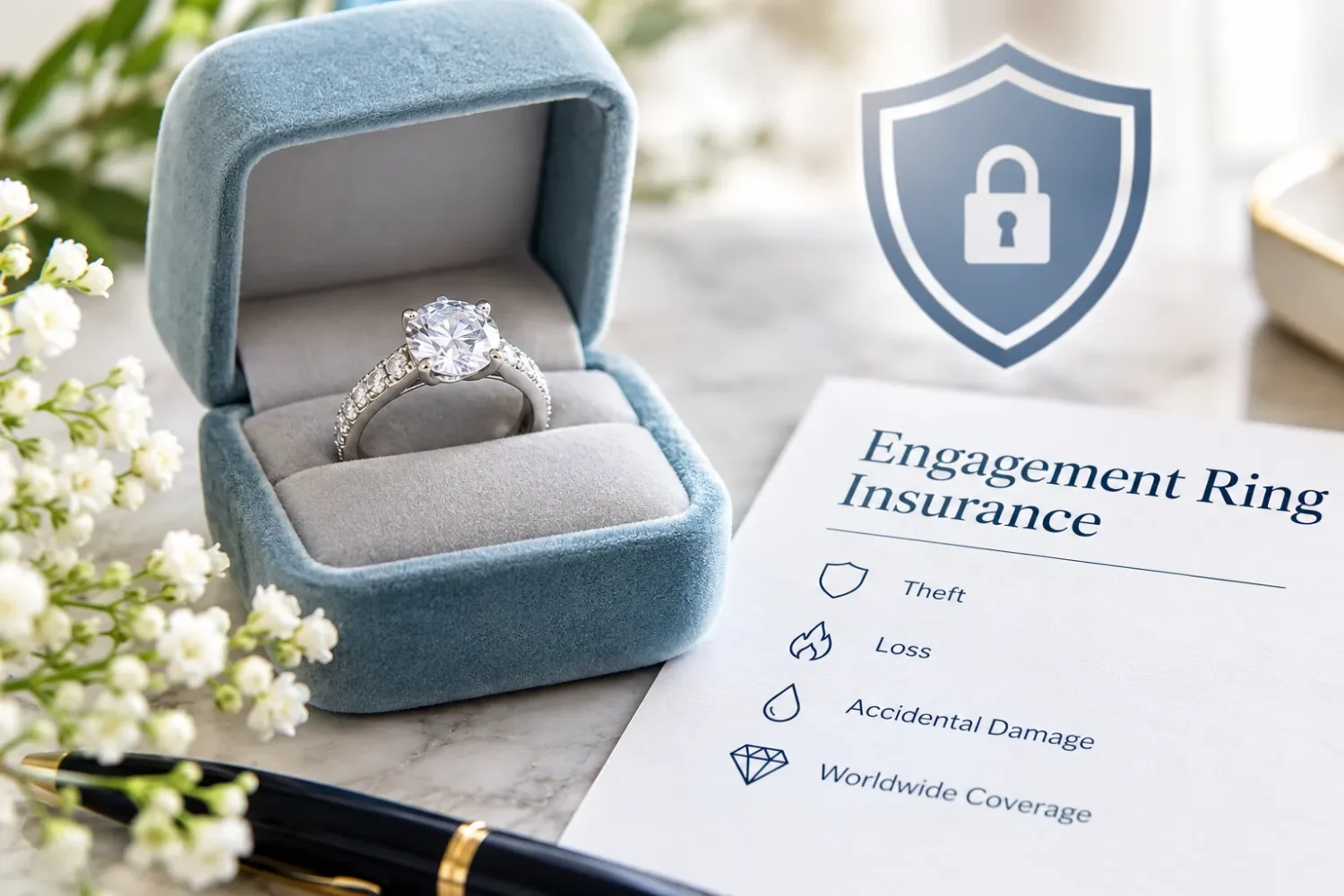
- Update your insurance: A redesigned piece may have a very different value from the original, so ask for a new valuation once it’s finished.
Choosing the Right Jeweller
Redesigning jewellery takes more than technical skill. It requires a highly experienced jeweller who listens carefully, respects the story behind your pieces, and gives honest advice about what will work. At Finelines Jewellers, we help clients transform old, broken, and inherited jewellery into custom pieces that sparkle like new. If you have jewellery sitting unworn for a long time, book an appointment today to restore their lustre and make it last a lifetime.
Frequently Asked Questions (FAQs)
Can old jewellery be redesigned?
Most fine jewellery made from gold, platinum, or silver, and gemstones can be redesigned. Custom jewellery and plated pieces usually can’t be reworked in the same way. A jeweller can test your pieces and tell you what’s usable.
Is it cheaper to redesign than to buy new jewellery?
Reusing your stones can reduce costs, particularly with diamonds. However, much of the price comes from design and craftsmanship, and you may need extra metal. Ask for an upfront quote comparing your options before you commit.
Can my old gold be melted and reused?
Your gold can be melted and reshaped, although old pieces may contain solder or mixed carats that affect the result. Some jewellers refine it first or offer a credit towards new metal. Your jeweller will explain the best approach for your unique situation.
Will my gemstones be damaged when they’re removed?
Hard stones such as diamonds and sapphires are usually removed safely. Softer or more fragile stones, including opals, emeralds, and pearls, carry more risk, especially if they’re already chipped. An experienced jeweller will check each stone and explain any risks beforehand.
How long does a jewellery redesign take?
Most redesigns take several weeks, depending on the complexity of the design and whether new stones or metal need to be sourced. Allow extra time if you’re planning to wear the piece for a birthday, wedding, or anniversary.