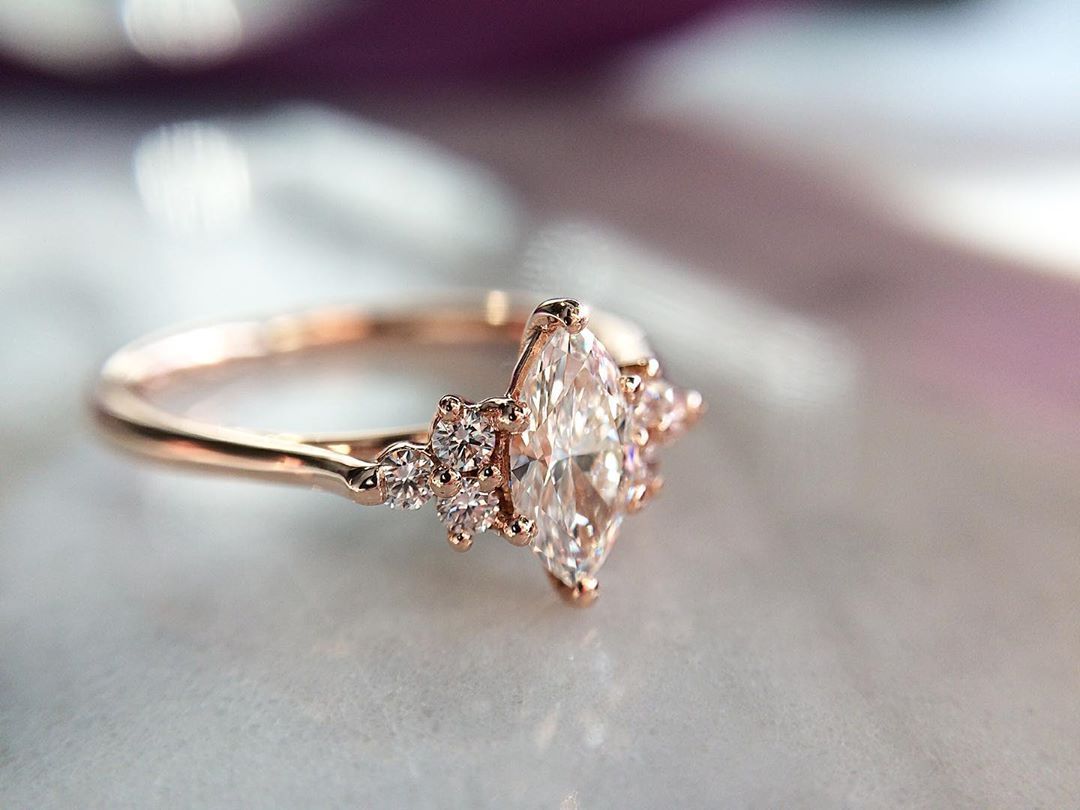
When choosing an engagement ring, couples are often drawn to colour, symbolism, or uniqueness when choosing a centre stone. What is easy to overlook is how that stone holds up after years of being worn on the hand that opens doors, carries bags, and brushes against hard surfaces every day. Below, we break down the engagement ring gemstones to avoid and what actually happens to them with daily wear.
Engagement Rings Need Stones That Can Handle Everyday Life
An engagement ring is worn regularly and exposed to repeated contact throughout the day. Door handles, benchtops, pockets, handbags, and steering wheels all place small but constant pressure on the centre stone and its setting. This kind of wear is rarely dramatic, but it is relentless.
Over time, even gentle contact can leave its mark. Fine scratches, small chips, dull patches, and hairline cracks tend to develop gradually rather than all at once. Many people only notice once the stone has lost its original clarity or brilliance.
Durability also influences how securely the stone remains set within the ring. Softer stones are more prone to edge damage or fractures under pressure, which can weaken the setting and increase the risk of loosening or loss. For a ring intended to last for decades, these considerations carry weight.
How Jewellers Measure a Stone’s Resistance to Wear
Jewellers often refer to the Mohs hardness scale when assessing whether a gemstone is suitable for an engagement ring. This scale ranks minerals from 1 to 10 based on their resistance to scratching. The higher the number, the harder the surface.
Diamonds sit at the top of the Mohs hardness scale at 10, which explains their long-standing use in engagement rings. By comparison, many popular coloured stones fall well below the level recommended for constant wear.
As a general guide, stones rated below 9 tend to show wear over time, even with careful handling. This is why certain beautiful gems consistently appear on lists of engagement ring stones to steer clear of.
Engagement Ring Stones to Avoid
Some gemstones are admired for their colour, pattern, or symbolism, but are poorly suited to engagement rings due to their physical properties. Below are some of the most common examples.
Opal
Opals are known for their shimmering play of colour, but they are also quite soft, ranking around 5.5 to 6.5 on the Mohs scale. They are prone to cracking and chipping, sometimes from minor knocks that would not affect harder stones. Even with careful wear, opals can break during normal daily activities, which makes them a risky choice for engagement rings.
Pearl
Pearls are romantic and classic, yet they are among the softest materials used in jewellery, ranking as low as 2.5. Over time, the outer nacre layer can wear away, leaving dull patches or chips.
Pearls can also detach from their settings. While they suit earrings or pendants, they struggle to survive the demands placed on an engagement ring.
Tanzanite
Tanzanite’s blue-violet colour is striking, but its softness means it is prone to chipping and surface damage. Over time, the polish can fade, leaving the stone looking worn. Tanzanite performs far better in jewellery that does not receive frequent knocks, such as necklaces or earrings.
Garnet
Garnets offer rich reds and greens, but they are not built for continuous wear. Daily contact can cause scratches and chips, and the surface can lose its shine. Garnet rings tend to age quickly when worn every day, making them better suited to occasional jewellery rather than engagement rings.
Amethyst
Amethyst is a popular choice for those drawn to purple tones. However, with a hardness of around 7, it scratches easily. Even fine dust particles can mark the surface over time. These tiny scratches accumulate, dulling the stone and reducing its visual appeal far sooner than most people expect.
Aquamarine and Morganite
Both aquamarine and morganite belong to the beryl family and are admired for their soft blue and peach hues. Despite their appeal, they are vulnerable to scratching and surface wear when worn daily. Over time, these stones often lose their polish, which affects their overall appearance in an engagement ring.
Moss Agate
Moss agate is loved for its organic, nature-inspired inclusions. It is a form of quartz with a hardness of around 7, which places it at risk of scratching and chipping. We often see moss agate engagement rings that have cracked or broken, leading couples to replace the stone entirely.
Engagement Ring Gemstones That Last Without Losing Character
Avoiding softer gemstones does not mean giving up on colour or individuality. Some stones offer both durability and visual character.
Diamond remains the most durable option for Gold Coast engagement rings. It ranks 10 on the Mohs hardness scale and stands up to decades of daily wear.
For couples seeking colour, sapphire is the most reliable alternative. With a hardness of 9, it offers far greater resistance to scratching and chipping than other gemstones such as amethyst, aquamarine, or morganite, while still coming in a wide range of hues, including blue, green, yellow, peach, pink, and purple.
For those drawn to the natural look of moss agate, green sapphire and emerald are a more durable option. These stones allow for personal expression while maintaining the strength needed for everyday wear.
Choosing a Stone With Longevity in Mind
A gemstone that looks perfect today may not age well if it cannot handle daily use. This is why choosing based on wear patterns, work habits, and long-term expectations is just as important as choosing colour or cut. An engagement ring is meant to mark a lifelong commitment, and its materials should reflect that intention.
At Finelines Jewellers, we design pieces to be worn, not stored away. That means carefully considering durability alongside appearance when guiding couples through stone selection, especially when discussing engagement ring gemstones to avoid and stronger alternatives better suited to everyday wear.