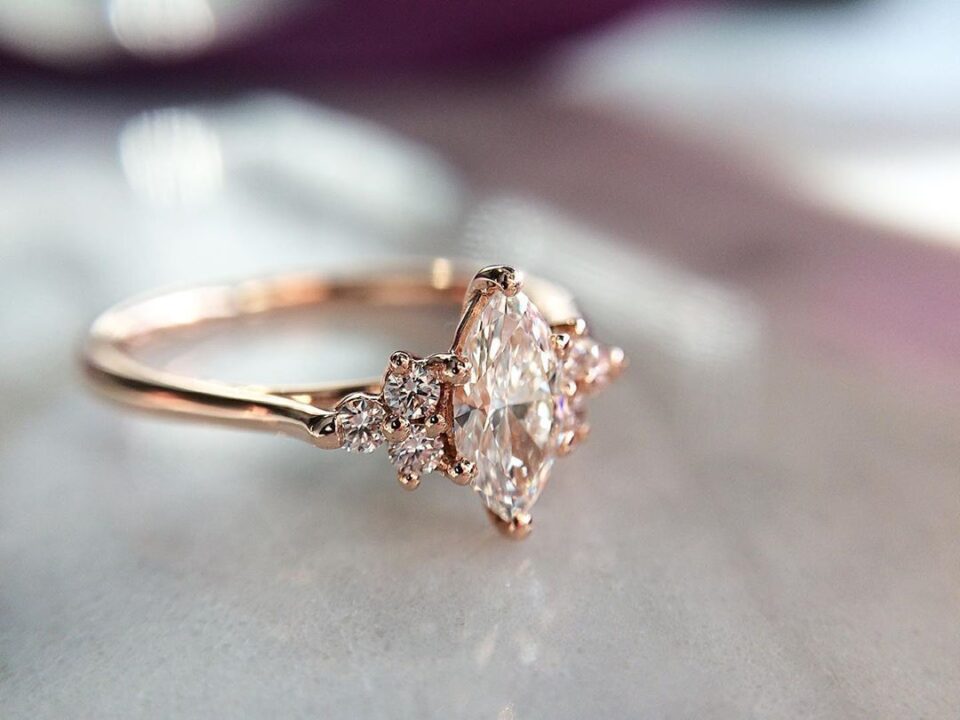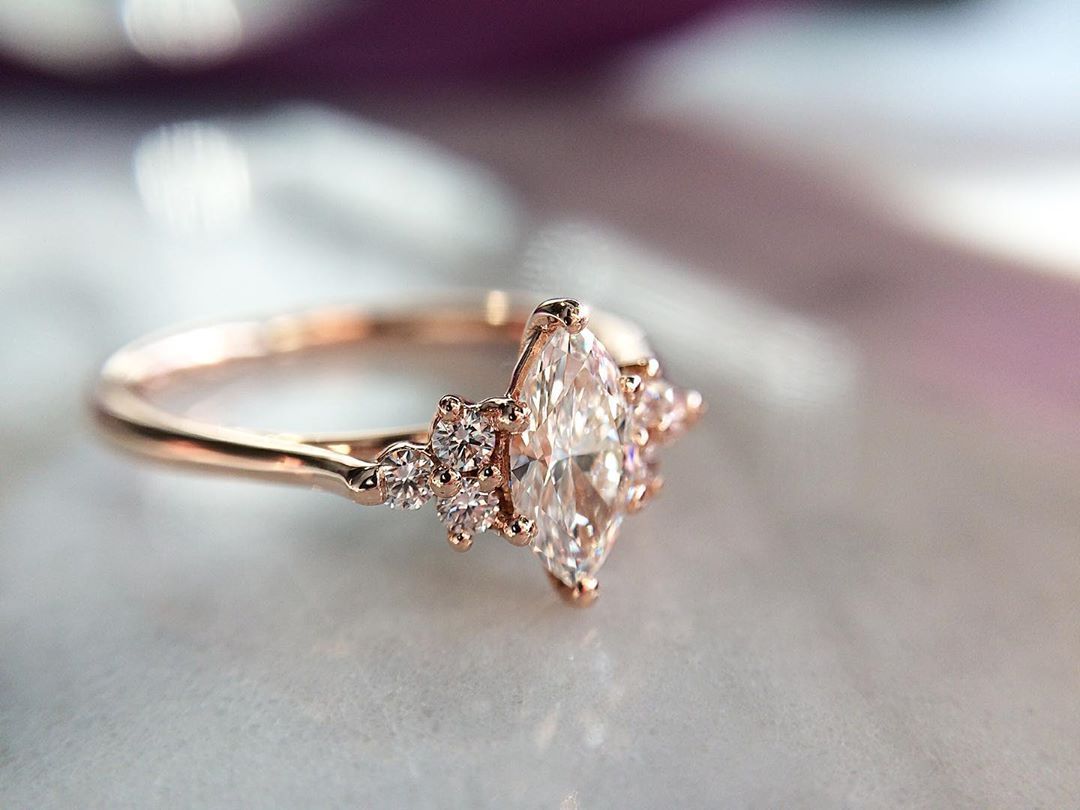
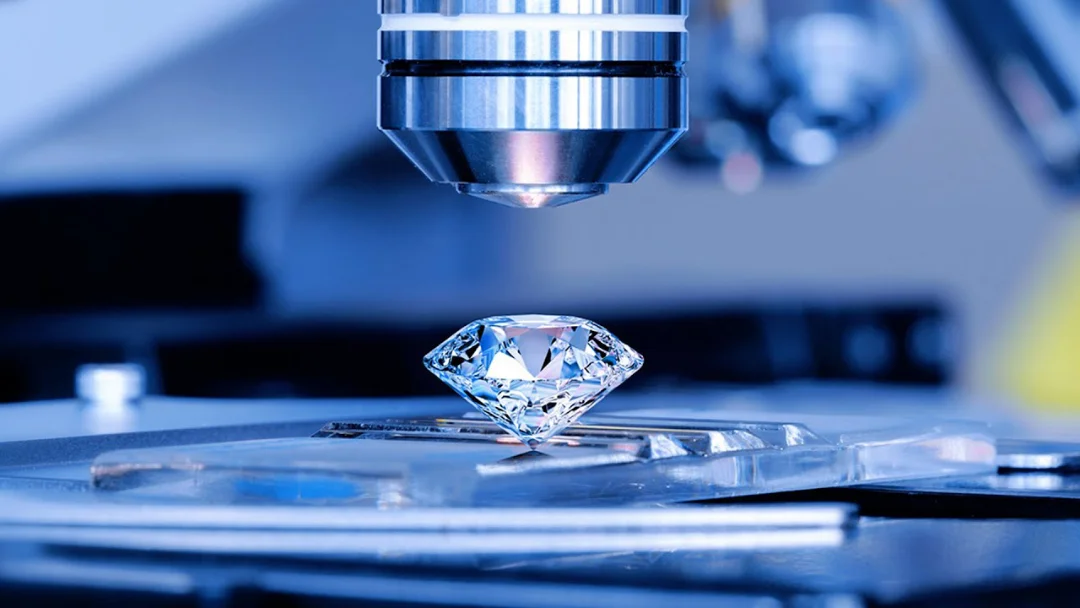
Diamonds have long symbolised love, commitment, and timeless beauty. Today, couples have more options than ever before, with both natural and lab grown diamonds offering remarkable sparkle and durability.
The two share identical chemical, physical, and optical properties. The main distinction lies in how they are formed. Let’s compare the two so you can make an informed decision that suits your values, budget, and style without compromising brilliance or quality.
Lab Grown Diamonds Versus Natural Diamonds
Lab grown diamonds are real diamonds created in controlled laboratory environments that replicate the same conditions found deep within the Earth. They share the same crystal structure and hardness as natural diamonds, scoring 10 on the Mohs scale, and exhibit the same clarity, fire, and brilliance.
Rather than forming over billions of years beneath the Earth’s mantle, lab grown diamonds are developed within weeks or months. They begin with a small carbon seed from a pre-existing diamond, which acts as the foundation for crystal growth.
Carbon atoms bond to the seed under controlled heat and pressure, forming a rough diamond that is later cut and polished like a mined stone.
The Lab Creation Process
There are two main techniques used to produce lab grown diamonds: High Pressure High Temperature (HPHT) and Chemical Vapour Deposition (CVD). Both methods replicate the natural process that forms diamonds beneath the Earth’s surface, but each uses a different scientific approach.
More importantly, both processes result in a real diamond that matches natural ones in brilliance, durability, and overall quality.
High Pressure High Temperature: Recreating Natural Conditions
In the High Pressure High Temperature (HPHT) process, a diamond seed is placed inside a chamber and exposed to extreme heat (over 2,000 degrees Celsius) and immense pressure.
These conditions cause carbon atoms to crystallise around the seed, eventually forming a rough diamond.
The result is a diamond with the same durability and optical performance as one mined from the Earth.
Chemical Vapour Deposition: Building Layer by Layer
Chemical Vapour Deposition (CVD) diamonds are grown by placing a thin diamond seed into a vacuum chamber filled with a carbon-rich gas mixture, usually methane and hydrogen.
When the gases are heated, carbon atoms separate and settle on the seed in layers, gradually forming a diamond.
Some CVD stones are later treated with additional heat or pressure to enhance their quality.
The Truth About Lab Grown Diamonds
There are several misconceptions about lab grown diamonds, but they are as authentic as natural ones. Each is made of pure carbon arranged in the same crystal structure, giving it identical hardness and optical beauty.
Common myths include:
- Lab grown diamonds are fake. Lab grown diamonds are not imitation stones. They are identical to mined diamonds in every measurable way.
- Lab grown diamonds look different from mined diamonds. To the naked eye, even experts cannot distinguish a lab diamond from a natural one without specialised equipment.
- Lab grown diamonds are less durable. Both types share the same hardness and resistance to scratching or chipping.
- Lab grown diamonds are flawless. Like natural diamonds, lab grown diamonds can contain minor inclusions that make each stone unique.
The only real difference between lab grown and natural diamonds is origin. Lab diamonds are grown in controlled settings, while natural diamonds form naturally within the Earth.
How to Tell Lab Grown and Natural Diamonds Apart
Visually, there is no difference between a lab grown and a natural diamond. Only trained gemologists, using advanced magnification tools, can identify subtle distinctions.
These differences include:
- Growth Patterns: Natural diamonds form with a distinct octahedral pattern, while lab grown diamonds may show slightly different internal structures.
- Inclusions: Natural diamonds often contain mineral inclusions, whereas lab diamonds might show metallic inclusions linked to their growth method.
- Laser Inscriptions: Many lab grown diamonds include a microscopic inscription on the girdle that identifies their origin.
Even with these indicators, it is nearly impossible to tell them apart with the naked eye. This shows just how far diamond science has advanced.
The Advantages of Lab Grown Diamonds
Lab grown diamonds appeal to many modern buyers for their combination of beauty, value, and responsibility.
- Sustainable Choice: Because they do not require mining, lab grown diamonds have a smaller environmental impact and avoid the disruption associated with traditional extraction.
- Excellent Value: They are generally more affordable than natural diamonds of the same size and quality, so you can choose a larger or higher-grade stone but stay within your budget.
- Identical Quality: Chemically and physically, they match natural diamonds in every respect. Their brilliance and durability are identical.
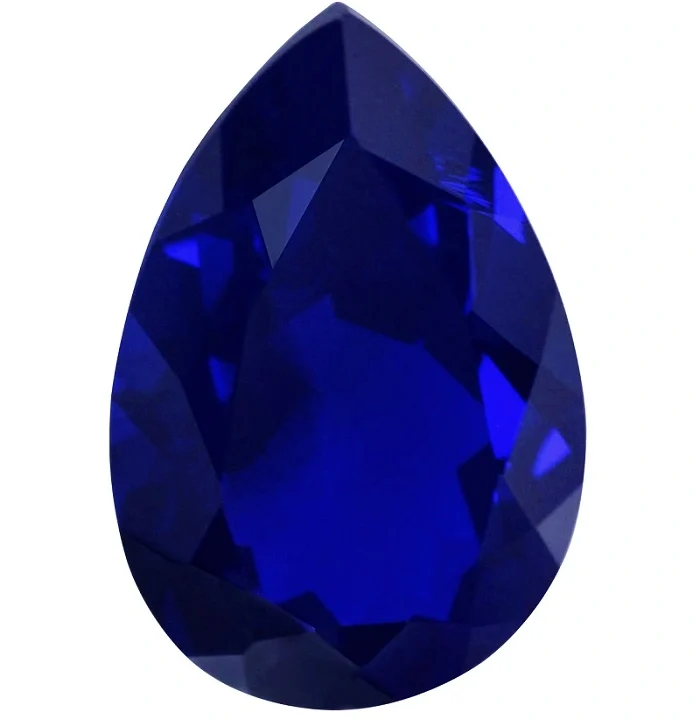
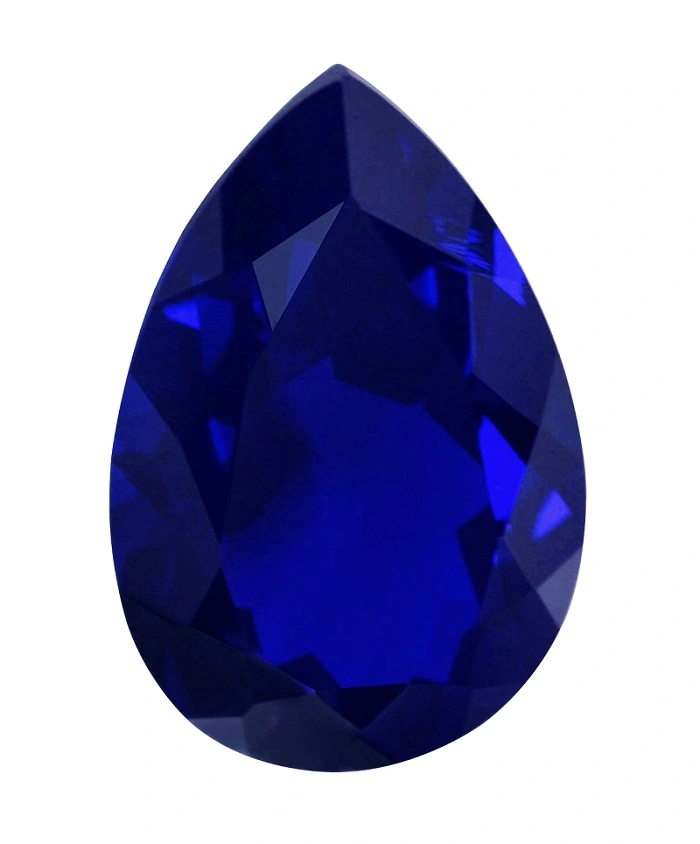
- Colour Variety: Lab grown diamonds can be produced in a range of vibrant colours, such as pink and blue, at a fraction of the cost of naturally coloured diamonds.
Grading and Certification for Lab Grown Diamonds
Both lab grown and natural diamonds undergo the same independent grading process through internationally recognised gemological laboratories, such as the Gemological Institute of America (GIA) and the International Gemological Institute (IGI).
Certified lab grown diamonds are evaluated for the same criteria: cut, colour, clarity, and carat weight. Certification confirms the diamond’s authenticity, provides a detailed quality report, and ensures transparency for buyers. Whether natural or lab grown, a certified diamond offers confidence in its beauty and value.
Which Diamond Is Better: Natural or Lab Grown?
Neither type is inherently better than the other. It comes down to what matters most to you.
If you value affordability, environmental responsibility, and the chance to select a larger stone within your budget, a lab grown diamond may be ideal. If you are drawn to the rarity and tradition of a gem formed naturally over billions of years, a natural diamond may hold special meaning.
Whichever you prefer, both options offer the same sparkle, strength, and timeless symbolism. At Finelines Jewellers, we believe all diamonds, whether lab grown or natural, tell their own beautiful story. Each piece we create, from Gold Coast engagement rings to custom designs, is crafted to reflect that same enduring beauty.